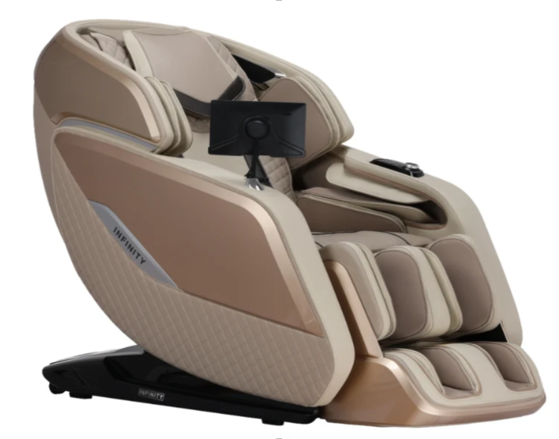
For centuries, traditional Japanese bodywork offered a reliable path to muscular recovery and mental calm through strategic pressure point manipulation. Today, technology translates those hands-on healing arts into sophisticated automated systems designed for personal living spaces. Investing in modern premium furniture allows homeowners to access daily treatment without leaving their living rooms. Premium Shiatisu massage chairs merge ancient anatomical understanding with robotic precision, giving users customized relief at the push of a button. By replacing repetitive manual therapy visits with home automation, wellness enthusiasts gain consistent access to physical rejuvenation. Understanding how these mechanical systems replicate human touch helps buyers select equipment that aligns with their specific therapeutic goals and aesthetic preferences.
The Mechanics of Automated Japanese Pressure Technique
Traditional Shiatsu relies on the application of weight and rhythmic pressure along specific body meridians to relieve physical tension and balance internal energy. Skilled practitioners use thumbs, palms, and elbows to adjust forces based on tissue response. Modern mechanical designers study these physical interactions to construct motorized mechanisms that mimic human touch with surprising fidelity. High-performance mechanical tracks utilize dual-axis and multi-axis rollers capable of executing knead, tap, and press movements simultaneously.
When examining top-tier Shiatisu massage chairs, the integration of microprocessor control becomes apparent. Advanced software controls gearboxes and stepping motors, varying speed and intensity across distinct anatomical zones. Instead of simple back-and-forth wheel paths, modern rollers move along continuous S-tracks and L-tracks that conform to natural spinal curves. L-tracks extend therapeutic motion down through the glutes and upper hamstrings, expanding treatment beyond the lower back. Air compression chambers work in tandem with mechanical rollers to anchor shoulders, hips, and calves, securing the body so vertical pressure reaches deeper muscular layers. This combination ensures rhythmic pressing feels controlled rather than abrasive, mirroring the firm, rhythmic pacing established by human massage therapists over centuries of practice.
See also: Yoga Shorts: A Complete Guide to Choosing the Perfect Pair for Every Workout
Engineering Innovations in Premium Reclining Systems
Mechanical refinement separates basic vibrating recliners from luxury recovery systems designed for targeted bodywork. Modern manufacturing leverages high-torque electric motors, durable synthetic leather covers, and sophisticated sensors to optimize daily comfort.
Precision Body Scanning Systems
Before initiating a massage cycle, high end massage chairs employ optical or pressure-based body sensors to locate key anatomical landmarks. The system measures shoulder height, torso width, and spine curvature to build a custom three-dimensional digital profile of the user. This automated mapping phase prevents roller heads from striking bony prominences while ensuring targeted pressure reaches tense muscle bellies along the paraspinal groups.
Zero-Gravity Positioning Mechanics
Derived from spaceflight ergonomics, zero-gravity positioning elevates the knees above the heart line while tilting the backrest to approximately 128 degrees. This posture distributes body weight evenly across the entire frame, drastically reducing spinal compression caused by earth’s gravity. When operating in this neutral posture, mechanical rollers penetrate deeper tissue layers with less motor force required, enhancing overall therapeutic efficiency. Integrated infrared carbon heating elements behind back panels supplement mechanical pressure, warming connective tissue to increase pliability. Together, these structural innovations deliver a comprehensive physical restoration experience that transforms standard living areas into personal recovery sanctuaries.
Physiological Benefits of Daily Automated Bodywork
Integrating regular automated mechanical therapy into daily routines yields measurable physiological improvements across several body systems. Sustained muscular pressure breaks down tight knots in myofascial tissue, increasing localized blood flow and speeding oxygen distribution to fatigued muscles.
Studies show that structured pressure cycles lower cortisol levels while promoting parasympathetic nervous system dominant states. Consistent exposure to high end massage chairs helps manage chronic lower back discomfort, reduce shoulder stiffness from desk work, and improve overall flexibility. Automated stretching routines gently articulate pelvic structures and extend intervertebral disc spaces, counteracting damage caused by prolonged sitting.
Systematic compression cycles applied to lower extremities assist lymphatic drainage, reducing fluid retention in ankles and lower legs. Improved venous return eases cardiac burden while encouraging systemic recovery after intense physical exertion. Furthermore, regular relaxation cycles improve sleep latency and deep sleep duration by helping the brain transition out of stress-induced sympathetic arousal before bedtime. Over time, these daily physiological gains compound, producing greater functional mobility, reduced injury risks, and improved daily energy levels for active individuals and remote professionals alike. Having immediate access to therapeutic pressure means users address minor muscle tightness immediately, preventing localized fatigue from developing into chronic musculoskeletal imbalances.
Key Criteria for Selecting Home Recovery Systems
Choosing an automated bodywork unit requires evaluating physical space, operational sound levels, and customization features. Buyers must measure living area dimensions accurately, paying special attention to wall-clearance mechanisms. Many current units feature zero-wall sliding tracks that require only a few inches of clearance behind the headrest to execute full recline modes.
It is equally important to evaluate mechanical adjustment capabilities when purchasing Shiatisu massage chairs for family households. Look for models offering independent control over roller speed, width, and depth. Preset automatic programs provide convenience for quick daily relaxation, but manual override modes allow users to pin roller motion to specific trouble spots for targeted therapy.
Upholstery choice also dictates long-term durability and maintenance requirements. While genuine leather offers a traditional look, high-grade commercial polyurethane synthetics resist moisture from heat functions and withstand repetitive friction from roller mechanisms without cracking. Consider noise output as well; whisper-quiet air pumps and brushless electric motors ensure late-night therapy sessions remain quiet for household members. Finally, review warranty coverage on internal motors, circuit boards, and frame construction to safeguard your financial investment. Choosing brands that maintain domestic customer service teams and readily available replacement parts minimizes potential downtime, keeping your daily wellness routine running smoothly for many years.
Long-Term Value and Physical Investment Strategy
Evaluating the purchase of advanced recovery furniture requires looking beyond initial hardware costs to examine long-term health return on investment. Dedicated wellness equipment provides predictable daily access to physical therapy without recurring appointment fees, travel time, or schedule constraints.
When analyzing the total cost of ownership, high end massage chairs demonstrate strong financial value for multi-member households. A single daily 20-minute session shared among family members quickly offsets the ongoing expenses of private clinical appointments. Furthermore, remote work trends mean professionals spend extended hours in ergonomic isolation, making immediate physical decompression essential for maintaining peak productivity.
Beyond direct cost offsets, durable home machinery provides preventative wellness benefits that reduce reliance on pain management medications or passive therapy sessions. Commercial-grade structural frames, high-density foam padding, and heavy-duty drive belts ensure premium machinery operates reliably across thousands of cycles. By incorporating systematic mechanical bodywork into daily lifestyle routines, users protect long-term mobility, support spinal alignment, and enhance daily physical resilience. Investing in high-performance equipment turns home relaxation into a proactive, long-term health strategy. Purchasing from established manufacturers with proven track records guarantees reliable technical support, ensuring long-term satisfaction and consistent therapeutic performance throughout the life of the machine.
Conclusion
Modern automated recovery machinery bridges the gap between historical healing wisdom and contemporary home engineering. By combining traditional Japanese pressure techniques with intelligent scanning, zero-gravity positioning, and heated multi-axis rollers, these sophisticated units offer reliable relief for tense muscles and elevated stress. Investing in premium home recovery equipment enhances daily physical mobility while providing long-term value for health-conscious households. Choosing a model with robust construction, customizable controls, and ergonomic design ensures years of tailored relaxation and physical restoration. Incorporating therapeutic mechanical pressure into daily life empowers individuals to maintain peak physical condition, offset sedentary work habits, and prioritize personal wellness from the comfort of home.