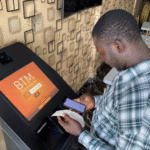
The interplay between technology and globalization shapes modern interactions on multiple fronts. Digital communication tools have transformed economic and cultural exchanges, fostering a new era of connectivity. Yet, this evolution brings forth significant challenges, including privacy concerns and inequalities. As societies navigate these complexities, understanding the dual nature of technology’s impact becomes essential. What strategies can be employed to balance the benefits and drawbacks in this rapidly changing landscape?
The Impact of Digital Communication on Global Interactions
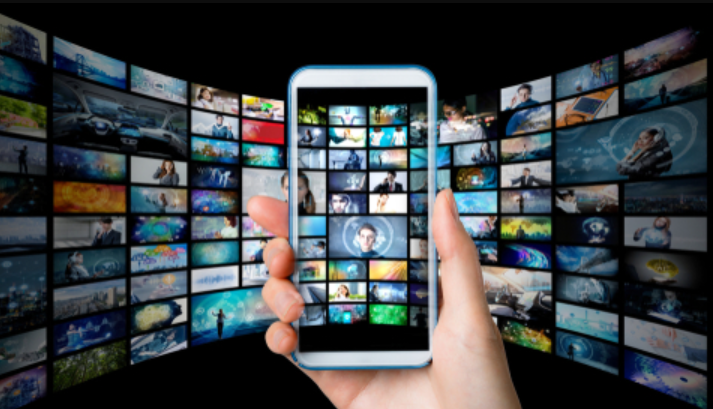
Digital communication has profoundly transformed global interactions, redefining how individuals and organizations connect across vast distances.
This shift has facilitated digital diplomacy, enabling countries to engage more openly and directly.
Additionally, online activism has empowered grassroots movements, amplifying voices previously marginalized.
As these dynamics evolve, the landscape of international relations and social change continues to reflect the increasing importance of virtual connectivity in a globalized world.
See also: Technology Accessibility Issues
The Role of Technology in Economic Integration
As nations increasingly rely on technology to facilitate trade and commerce, the role of innovation in economic integration becomes undeniably critical.
E-commerce growth has revolutionized market access, allowing businesses to engage in international collaboration seamlessly.
Technological advancements streamline supply chains and enhance communication, fostering a global economic landscape where barriers diminish, and opportunities expand, ultimately promoting a more interconnected and liberated marketplace.
Cultural Exchange in the Age of Globalization
While globalization has often been associated with economic transactions, it has equally fostered profound cultural exchanges that reshape identities and perspectives across the globe.
These interactions have sparked cultural appropriation debates, highlighting tensions between appreciation and exploitation.
As diverse influences intertwine, global identity formation emerges, allowing individuals to navigate their cultural landscapes while challenging traditional boundaries and fostering a more interconnected world.
Challenges and Opportunities in a Technologically Driven World
Although advancements in technology have the potential to drive unprecedented progress, they also present significant challenges that require careful navigation.
Issues such as data privacy concerns, job displacement, and the widening skills gap threaten societal stability.
Furthermore, the digital divide exacerbates inequalities, limiting access to opportunities.
Addressing these challenges while leveraging technological benefits is essential for fostering a more equitable and free global community.
Conclusion
In conclusion, technology and globalization are twin forces shaping the modern world, fostering unprecedented connections while exposing critical vulnerabilities. As digital communication bridges distances, as economic integration fuels growth, and as cultural exchange enriches societies, the challenges of data privacy and inequality loom large. To navigate this intricate landscape, a balanced approach is essential—one that embraces innovation while safeguarding individual rights and promoting inclusivity. Only then can the full potential of this interconnected era be realized.