Ethereum, one of the leading blockchain platforms, is not just a cryptocurrency network but also a hub for decentralized applications (dApps) and digital assets. A key feature that enables this ecosystem is token standards, which define how tokens are created, managed, and interacted with on the Ethereum blockchain. Among these, ERC-20 and ERC-721 are the most widely recognized standards. Understanding them is crucial for anyone interested in blockchain development, decentralized finance (DeFi), or non-fungible tokens (NFTs).
What Are Token Standards?
A token standard is a set of rules that a token must follow to operate correctly within the Ethereum ecosystem. Standards ensure that tokens can interact seamlessly with wallets, exchanges, and smart contracts. By following a common framework, developers don’t need to write new code for every token—they can rely on these pre-defined rules to guarantee compatibility.
Token standards make Ethereum flexible, allowing it to host fungible tokens, NFTs, and even more complex digital assets.
ERC-20: The Standard for Fungible Tokens
ERC-20 is the most widely used token standard on Ethereum and is designed for fungible tokens. Fungible tokens are interchangeable, meaning each unit has the same value as any other unit. Examples include cryptocurrencies like USDC, DAI, or even project-specific tokens.
Key Features of ERC-20
- Interchangeability: Every token is identical in value and function.
- Standardized Functions: ERC-20 defines essential functions such as
transfer,balanceOf, andapprove, which enable secure and predictable token transfers. - Integration-Friendly: Most Ethereum wallets and exchanges automatically support ERC-20 tokens due to their standardization.
- Compatibility with Smart Contracts: ERC-20 tokens can be used in DeFi protocols, staking platforms, and other Ethereum-based applications without additional coding.
By adhering to the ERC-20 standard, developers can ensure their token works reliably across wallets, exchanges, and DeFi platforms, creating a robust and interoperable ecosystem.
ERC-721: The Standard for Non-Fungible Tokens (NFTs)
Unlike ERC-20 tokens, ERC-721 tokens are non-fungible, meaning each token is unique and cannot be exchanged one-to-one with another. This standard is primarily used for NFTs, digital assets that represent ownership of unique items like artwork, collectibles, gaming items, or virtual real estate.
Key Features of ERC-721
- Uniqueness: Each token has a unique identifier, allowing it to represent distinct items.
- Metadata Support: ERC-721 tokens can store metadata like images, descriptions, and other details that define the asset.
- Ownership Tracking: The standard enables clear tracking of ownership and transfer history on the blockchain.
- Smart Contract Integration: NFTs can interact with marketplaces, games, and other dApps, enabling automated sales, royalties, and rewards.
ERC-721 tokens have fueled the explosive growth of NFTs, allowing creators to monetize digital content securely and transparently.
Differences Between ERC-20 and ERC-721
| Feature | ERC-20 | ERC-721 |
|---|---|---|
| Fungibility | Fungible (interchangeable) | Non-fungible (unique) |
| Use Case | Cryptocurrencies, utility tokens | NFTs, collectibles, gaming items |
| Metadata | Limited or standardized | Rich metadata possible |
| Value | Each token has equal value | Each token has unique value |
| Smart Contract Interaction | Standardized for DeFi and wallets | Used in NFT marketplaces and dApps |
Other Token Standards
Ethereum also supports additional token standards to address specific needs:
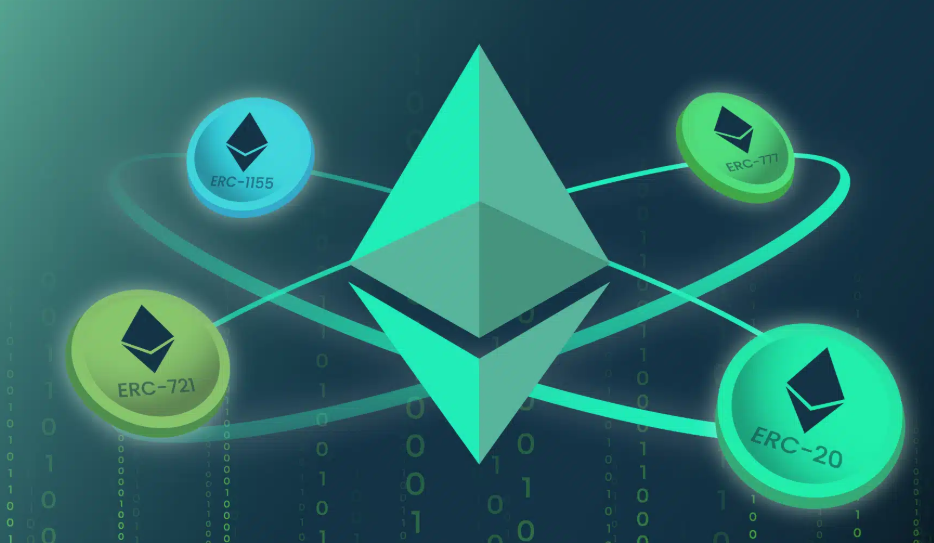
- ERC-1155: A multi-token standard that supports both fungible and non-fungible tokens in a single contract, widely used in gaming and collectibles.
- ERC-777: An advanced standard for fungible tokens that improves security and interaction capabilities with smart contracts.
These standards highlight Ethereum’s flexibility in creating a wide variety of digital assets for the Web3 ecosystem.
Importance of Understanding Token Standards
For developers, investors, and users, understanding token standards is critical:
- Developers: Choose the appropriate standard for their project and ensure compatibility with Ethereum tools and wallets.
- Investors: Recognize the type of asset they are buying—fungible tokens for trading or NFTs for unique digital ownership.
- Users: Interact safely with tokens, understanding transfer rules, metadata, and transaction fees.
Conclusion
Token standards like ERC-20 and ERC-721 form the backbone of Ethereum’s digital asset ecosystem. ERC-20 powers fungible tokens for DeFi, cryptocurrencies, and utility applications, while ERC-721 enables NFTs and unique digital collectibles. Together, they provide a standardized framework that ensures compatibility, security, and interoperability across wallets, exchanges, and decentralized applications.
Understanding these standards is essential for anyone looking to participate in Ethereum’s vibrant Web3 ecosystem, whether as a developer, investor, or enthusiast. As Ethereum continues to evolve, token standards will remain central to creating, managing, and trading digital assets in the decentralized world.